



Exploring the Rich Heritage of Authentic Baklava
- So Delight

- Aug 23, 2025
- 4 min read
Baklava is a dessert that has captivated taste buds for centuries. Its layers of flaky pastry, rich nuts, and sweet syrup create a unique experience that is both indulgent and deeply rooted in tradition. This article delves into the fascinating history, cultural significance, and authentic baklava flavors that make this treat so special.
The Origins and History of Authentic Baklava Flavors
The story of baklava dates back thousands of years, with its roots traced to the ancient civilizations of the Middle East and Mediterranean regions. While the exact origin is debated, many historians agree that the dessert evolved through the Ottoman Empire, where it became a symbol of luxury and celebration.
Authentic baklava flavors are characterized by the use of high-quality ingredients such as:
Phyllo dough: Thin, flaky layers that create the signature texture.
Nuts: Traditionally, pistachios, walnuts, or almonds.
Sweet syrup: Made from honey, sugar, and sometimes flavored with rosewater or orange blossom.
Each region has its own twist on the recipe, reflecting local tastes and available ingredients. For example, Turkish baklava often features pistachios, while Greek versions might use walnuts and a lemon-infused syrup.
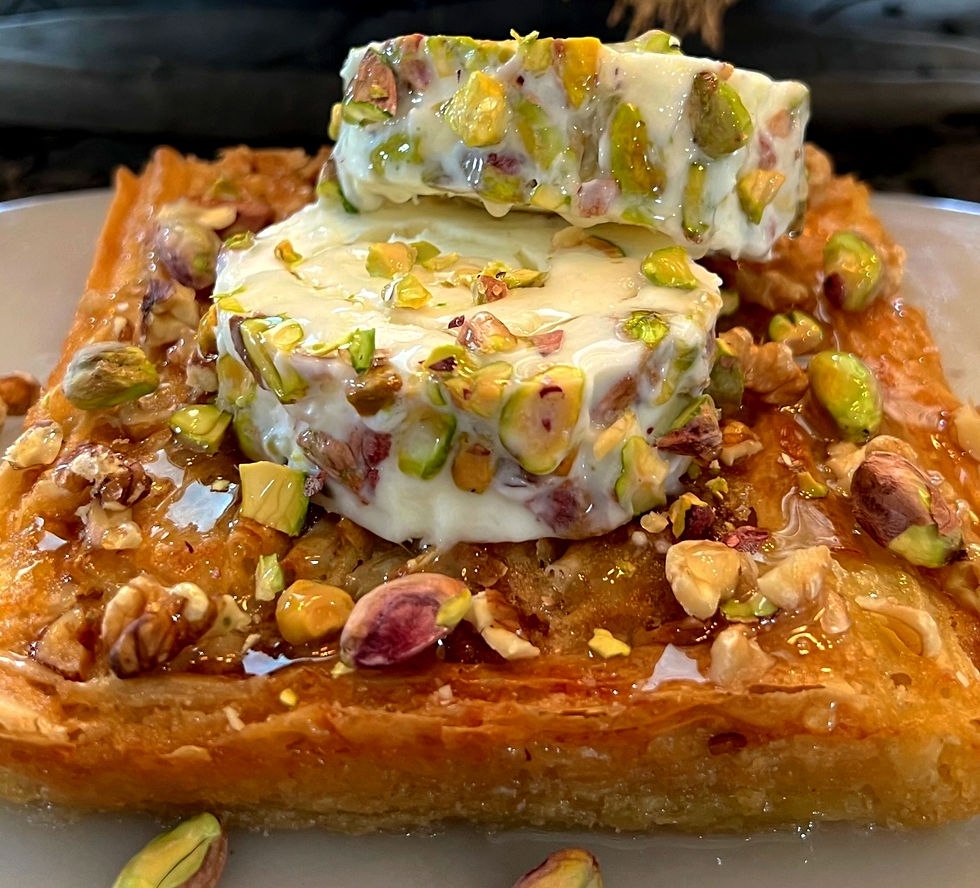
Exploring Authentic Baklava Flavors Around the World
The diversity of authentic baklava flavors is a testament to its widespread popularity. Here are some notable variations:
Turkish Baklava
Known for its rich pistachio filling and a syrup made with sugar and lemon juice, Turkish baklava is often cut into diamond shapes and baked until golden.
Greek Baklava
This version uses a combination of walnuts and cinnamon, with a honey-based syrup that adds a fragrant sweetness.
Middle Eastern Baklava
Often includes a mix of nuts and is flavored with rosewater or orange blossom water, giving it a floral aroma.
Armenian Baklava
Distinguished by the use of cinnamon and cloves in the nut mixture, creating a warm and spicy flavor profile.
To truly appreciate these authentic baklava flavors, it is recommended to try them from reputable sources that honor traditional recipes and preparation methods.

Is baklava healthy or unhealthy?
When considering whether baklava is healthy or unhealthy, it is important to look at its ingredients and nutritional content. Baklava is rich in nuts, which provide healthy fats, protein, and fiber. However, it is also high in sugar and butter, which contribute to its calorie density.
Health Benefits:
Nuts: Contain heart-healthy fats, vitamins, and minerals.
Phyllo dough: Made from flour and water, it is relatively low in fat compared to other pastries.
Health Concerns:
Sugar content: The syrup adds a significant amount of sugar, which can impact blood sugar levels.
Butter: Used generously to create the flaky layers, increasing saturated fat intake.
Recommendations:
Enjoy baklava in moderation as a treat rather than a daily snack.
Consider sharing a small portion to satisfy your sweet tooth without overindulging.
Pair baklava with a cup of unsweetened tea or coffee to balance the sweetness.

How to Enjoy Authentic Baklava Flavors at Home
Making authentic baklava flavors at home can be a rewarding experience. Here are some practical tips to get started:
Use fresh phyllo dough: Available in most grocery stores, fresh phyllo is key to achieving the right texture.
Choose quality nuts: Opt for raw, unsalted nuts and chop them finely.
Prepare the syrup carefully: Combine sugar, water, and lemon juice, and simmer until slightly thickened. Add honey or floral essences for extra flavor.
Layer with care: Brush each phyllo sheet with melted butter to ensure crispiness.
Bake until golden: A hot oven (around 350°F or 175°C) will create the perfect flaky crust.
Soak with syrup: Pour the cooled syrup over the hot baklava to allow absorption.
By following these steps, you can recreate the authentic baklava flavors that have been cherished for generations.
Recommendations from So Delight:
A classic selection of flaky, golden baklava layered with nuts and honey — perfect for sharing or gifting. This platter brings the authentic Mediterranean experience straight to your table.
A rich fusion of creamy cheesecake and traditional baklava, offering the best of both worlds in every bite. It’s indulgent, elegant, and ideal for special occasions.
Packed with vibrant pistachios, this baklava is nutty, buttery, and irresistibly crisp. A true favorite for those who love the bold, earthy taste of pistachios.
Layers of crunchy pastry and assorted nuts meet a creamy custard center for a decadent twist on tradition. It’s a satisfying dessert that balances texture and flavor beautifully.
A tropical spin on the Mediterranean classic, this baklava pairs sweet mango with flaky pastry for a refreshing bite. It’s light, fruity, and perfect for warm days.
Silky pistachio cream folded between crispy layers makes this baklava melt-in-your-mouth irresistible. It’s a luxurious treat that pistachio lovers won’t want to miss.
The Cultural Significance of Authentic Baklava Flavors
Baklava is more than just a dessert; it is a cultural symbol that brings people together. It is often served during celebrations such as weddings, religious holidays, and family gatherings. Sharing baklava is a gesture of hospitality and goodwill.
In many cultures, the preparation of baklava is a communal activity, with family members working together to layer the dough and prepare the filling. This tradition strengthens bonds and preserves culinary heritage.
Moreover, baklava has become a bridge between cultures, enjoyed worldwide, and adapted to local tastes while maintaining its authentic essence.
Exploring the rich heritage of authentic baklava flavors reveals a dessert that is both delicious and deeply meaningful. Whether enjoyed in a traditional setting or made at home, baklava offers a taste of history and culture that continues to delight people around the globe. For those interested in experiencing genuine baklava, visiting specialty shops or ordering from trusted sources like baklava can provide an authentic and memorable treat.

Comments